
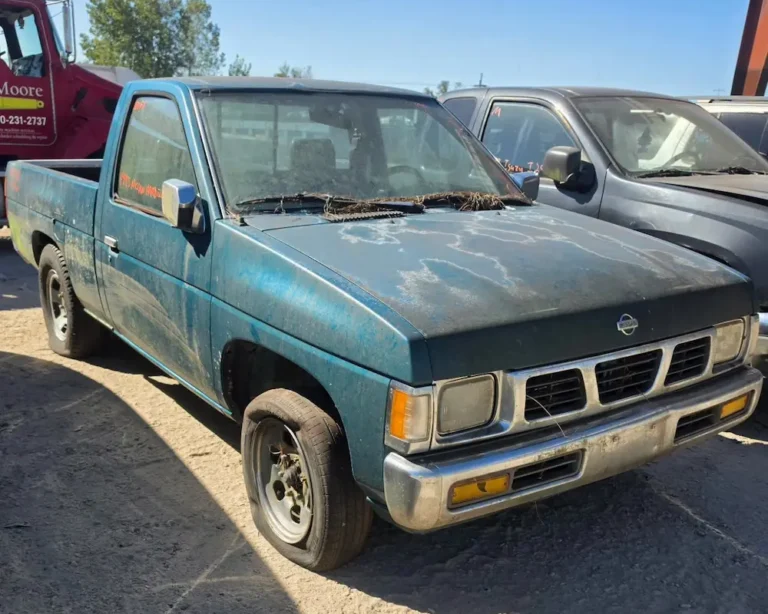
Most drivers view an abandoned, broken-down car as an eyesore or an annoyance taking up space in the yard. Yet, disposing of that junker does far more than clear up your driveway: it is one of the most effective ways individual vehicle owners can protect soil, air, and waterways.
Practicing eco friendly car recycling plays a critical role in local sustainability. Here is a closer look at the environmental benefits of junking car inventory through a licensed salvage professional and how responsible processing creates lasting positive change.
The Environmental Power of Responsible Auto Salvage
1. Neutralizing Hazardous Chemical Runoff
Every automobile holds gallons of toxic chemicals, including engine oil, ethylene glycol (antifreeze), transmission fluid, brake fluid, and refrigerants. When a derelict car sits exposed to the elements, rust corrodes fuel tanks, lines, and fluid reservoirs. Rain washes these toxic chemicals straight into surrounding soil, local drainage ditches, and coastal groundwater reserves. According to environmental guidelines from the NC Department of Environmental Quality (NC DEQ), professional recyclers must drain, collect, and filter all hazardous fluids before dismantling begins, preventing toxic runoff at the source.
2. Slashing the Demand for Raw Steel and Mining
Vehicles are the most recycled consumer product on the planet. Processing scrap steel uses up to 74% less energy than manufacturing virgin steel from iron ore, according to the Steel Recycling Institute. By returning tons of scrap iron and aluminum to the manufacturing supply chain, car recycling reduces open-pit mining, conserves coal reserves, and dramatically lowers industrial carbon emissions.
3. Keeping Reusable Parts in Circulation
The greenest auto part is the one that already exists. When you sell a non-running car to a self-service salvage yard, other local motorists search our online parts inventory to pull functional parts—like alternators, body panels, mirrors, and suspension components—to fix their own daily drivers. This circular economy eliminates the emissions, packaging waste, and freight transportation required to fabricate brand-new replacement parts from scratch.
4. Diverting Millions of Pounds from Landfills
Between heavy rubber tires, glass windshields, wiring harnesses, and metal frames, a standard passenger vehicle weighs between 3,000 and 4,000 pounds. Without auto recyclers, obsolete cars would quickly swamp municipal landfills. Through modern processing, up to 80% to 90% of a vehicle’s total weight is recovered, shredded, and repurposed into new commercial goods.
The Positive Auto Recycling Impact in the Carolinas
The combined auto recycling impact across our region preserves natural ecosystems, cuts industrial carbon footprints, and keeps roads cleaner.
At Carolina Pick N Pull, we ensure that every vehicle delivered to our facilities is handled with strict environmental care. From fluid recovery to scrap metal recycling, your end-of-life vehicle gets put to work benefiting other drivers and the planet. Contact your nearest Carolina Pick N Pull to turn your clunker into cash today while doing your part for North and South Carolina’s natural environment.